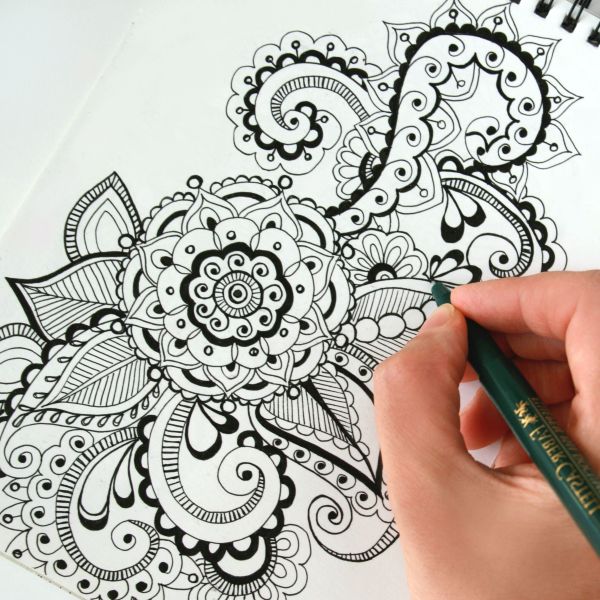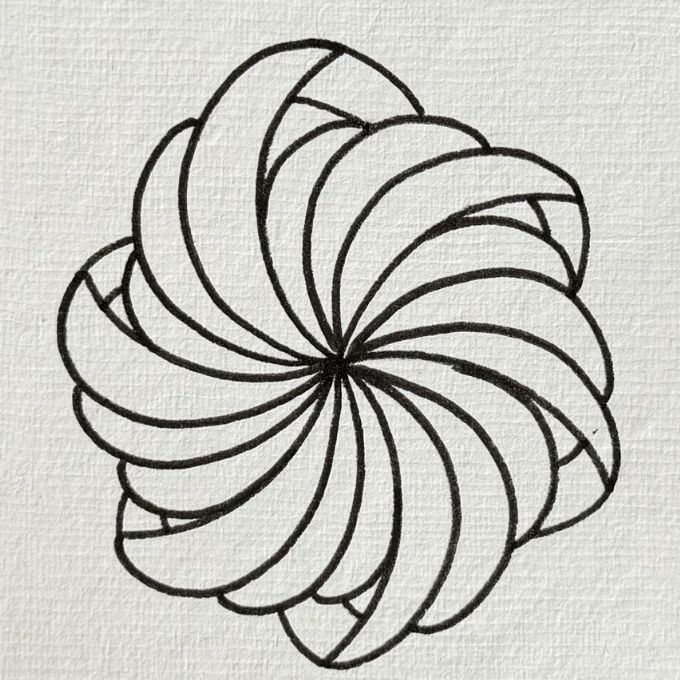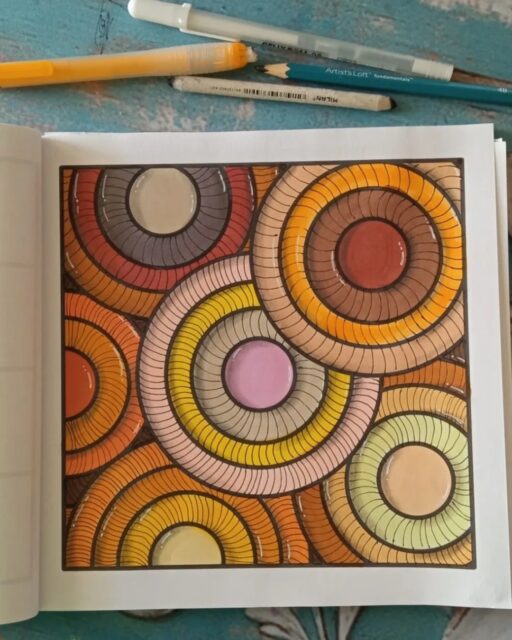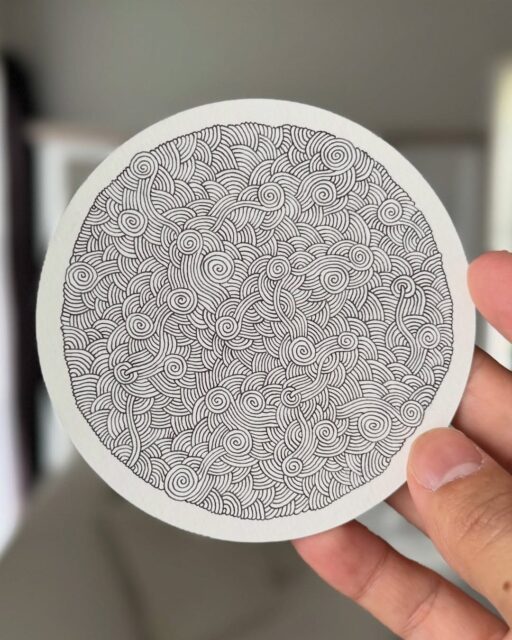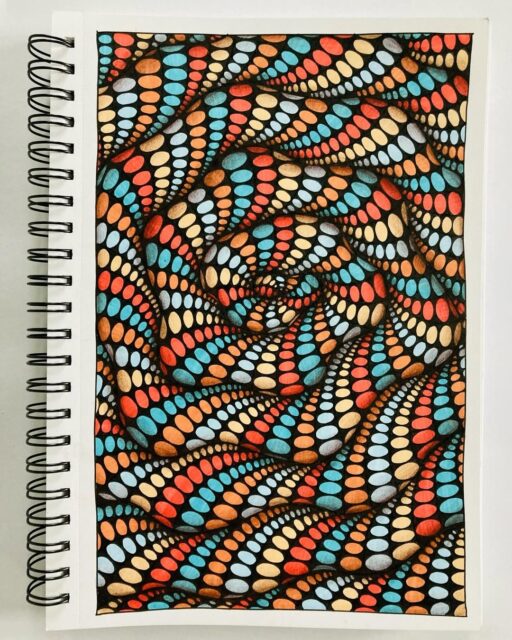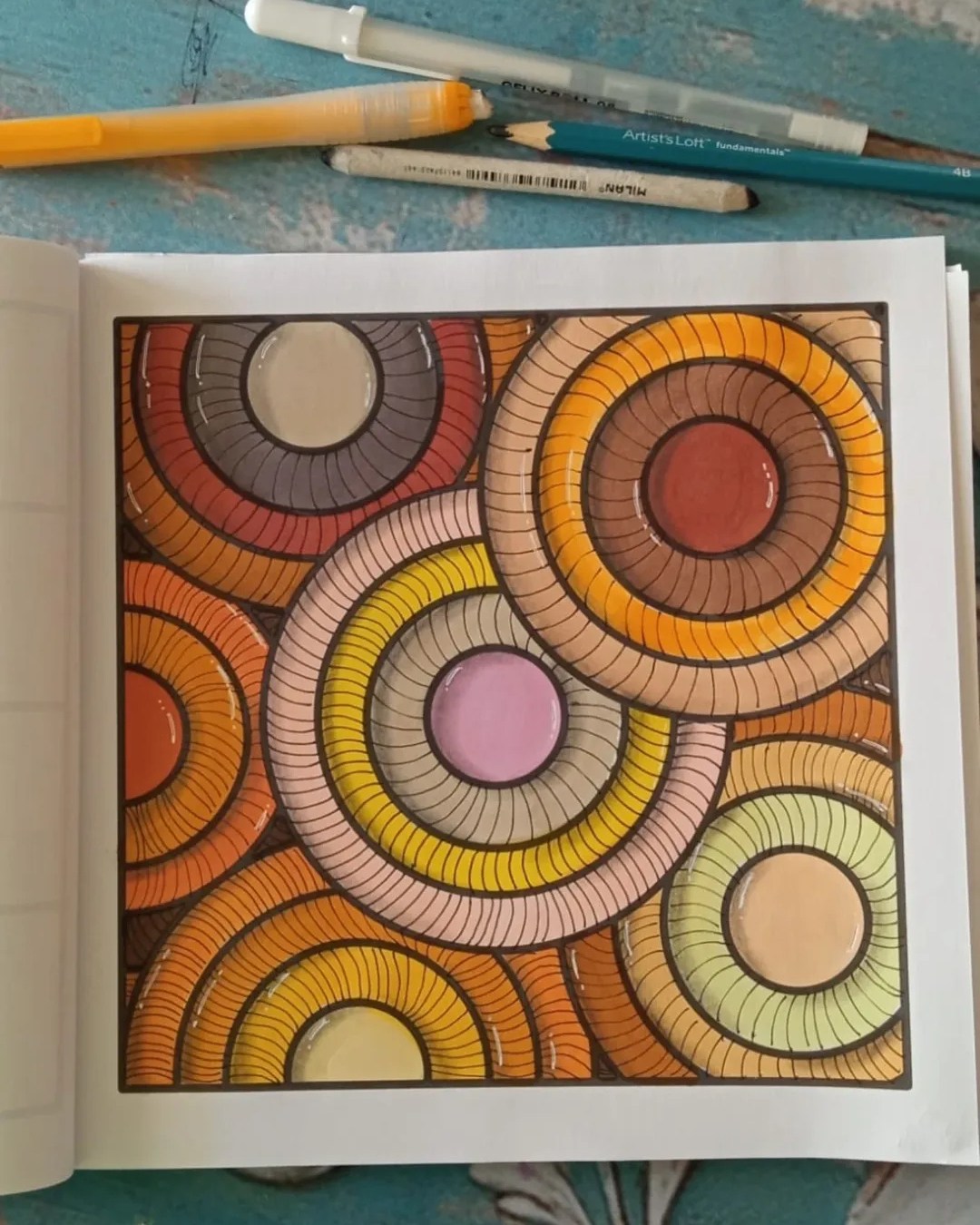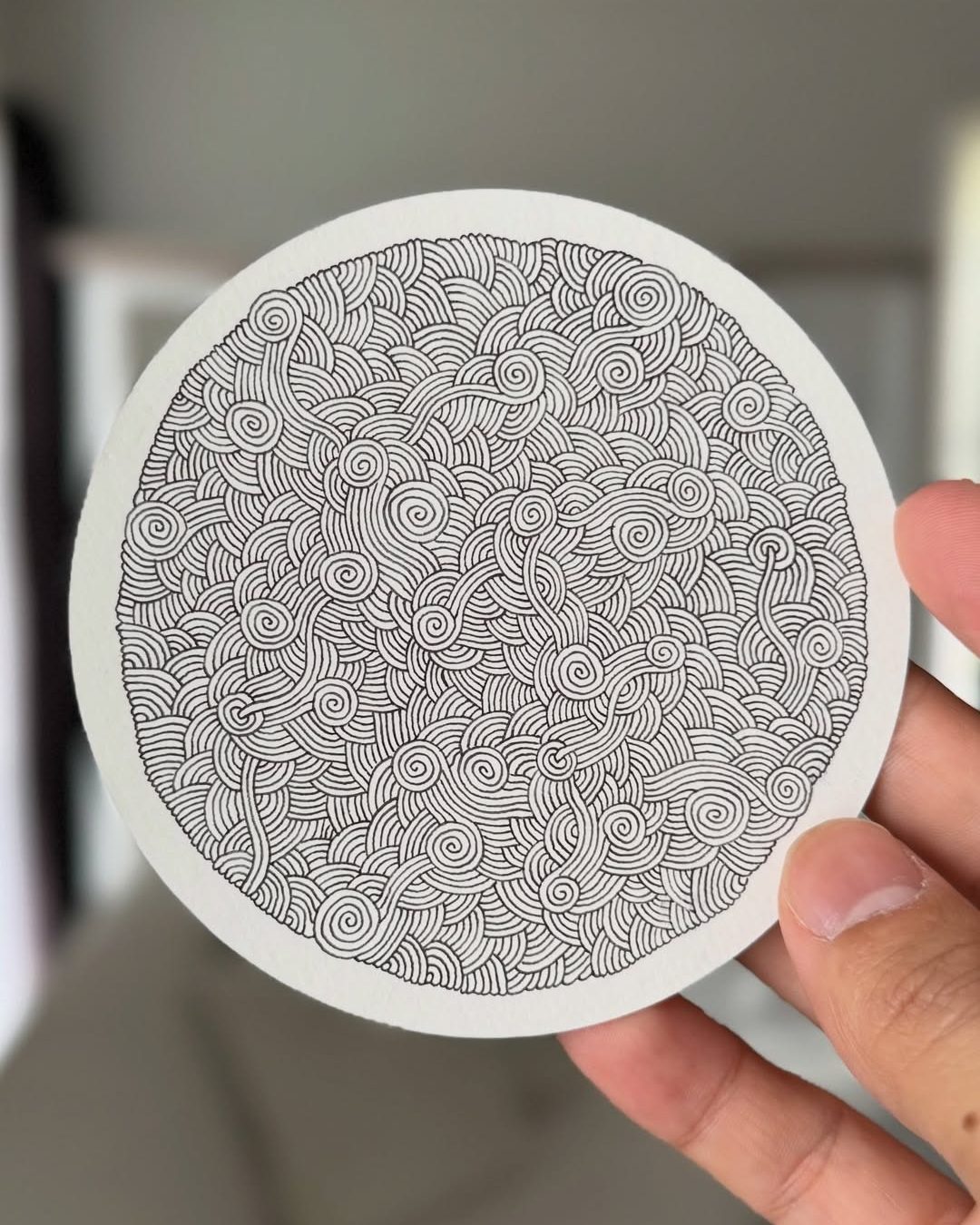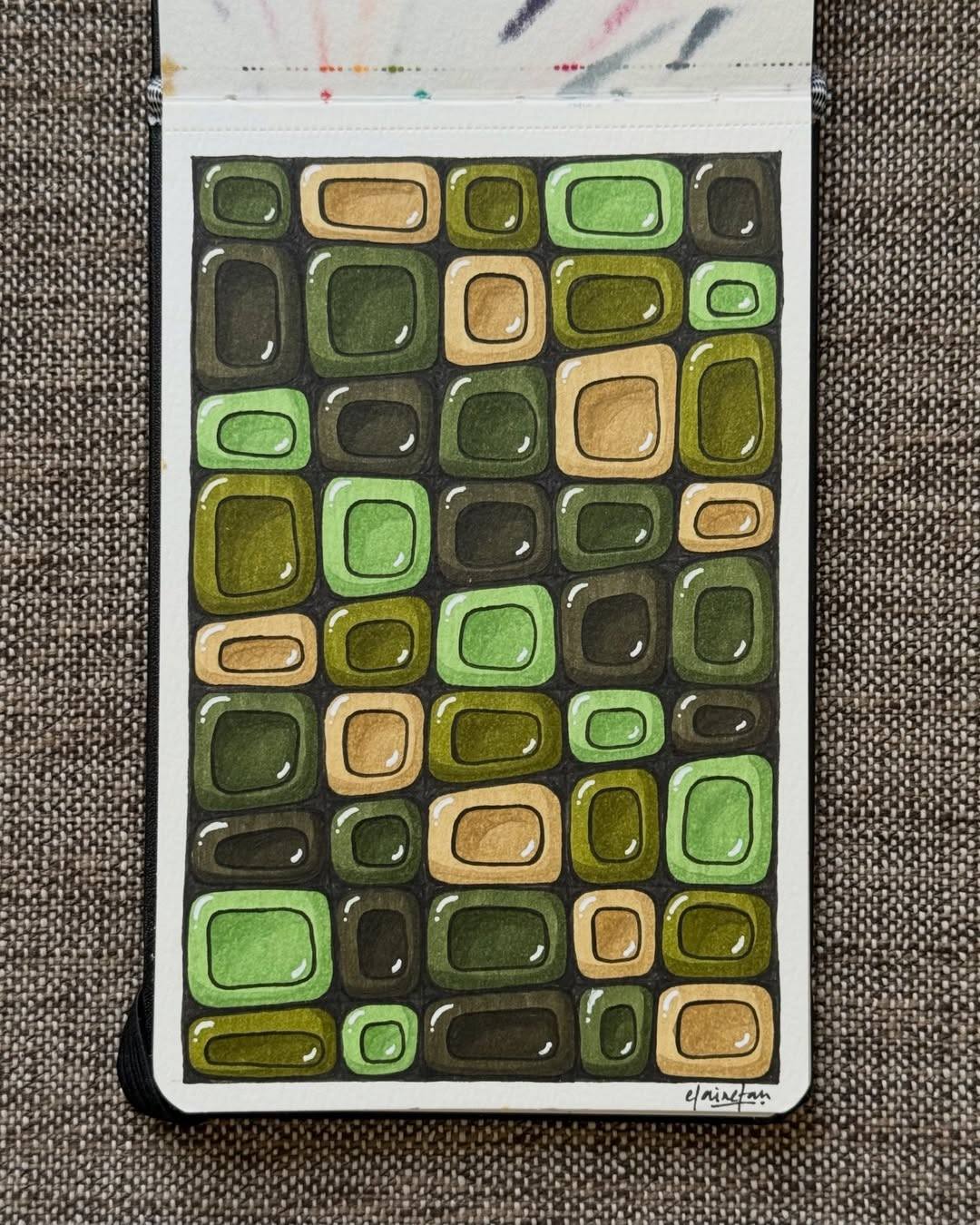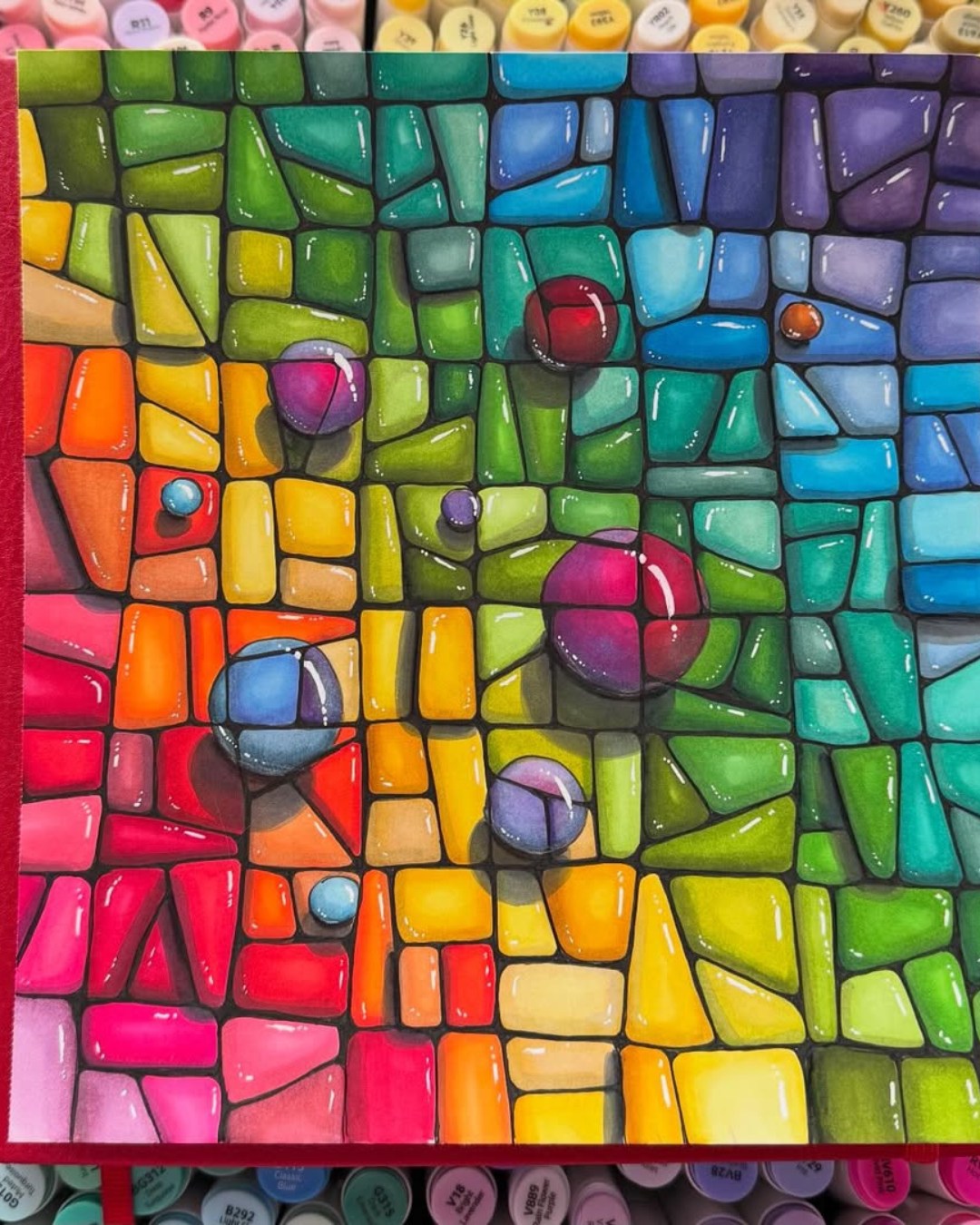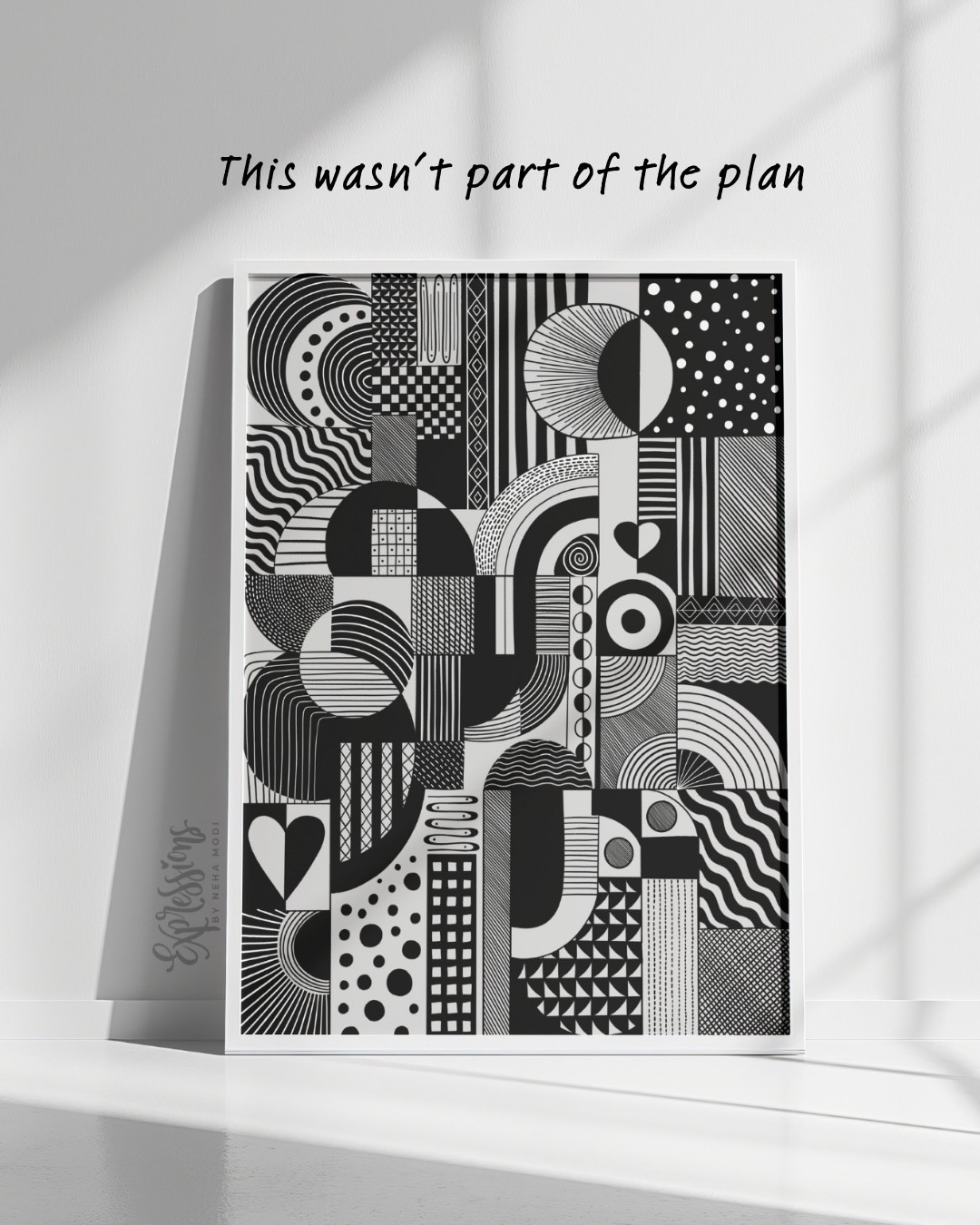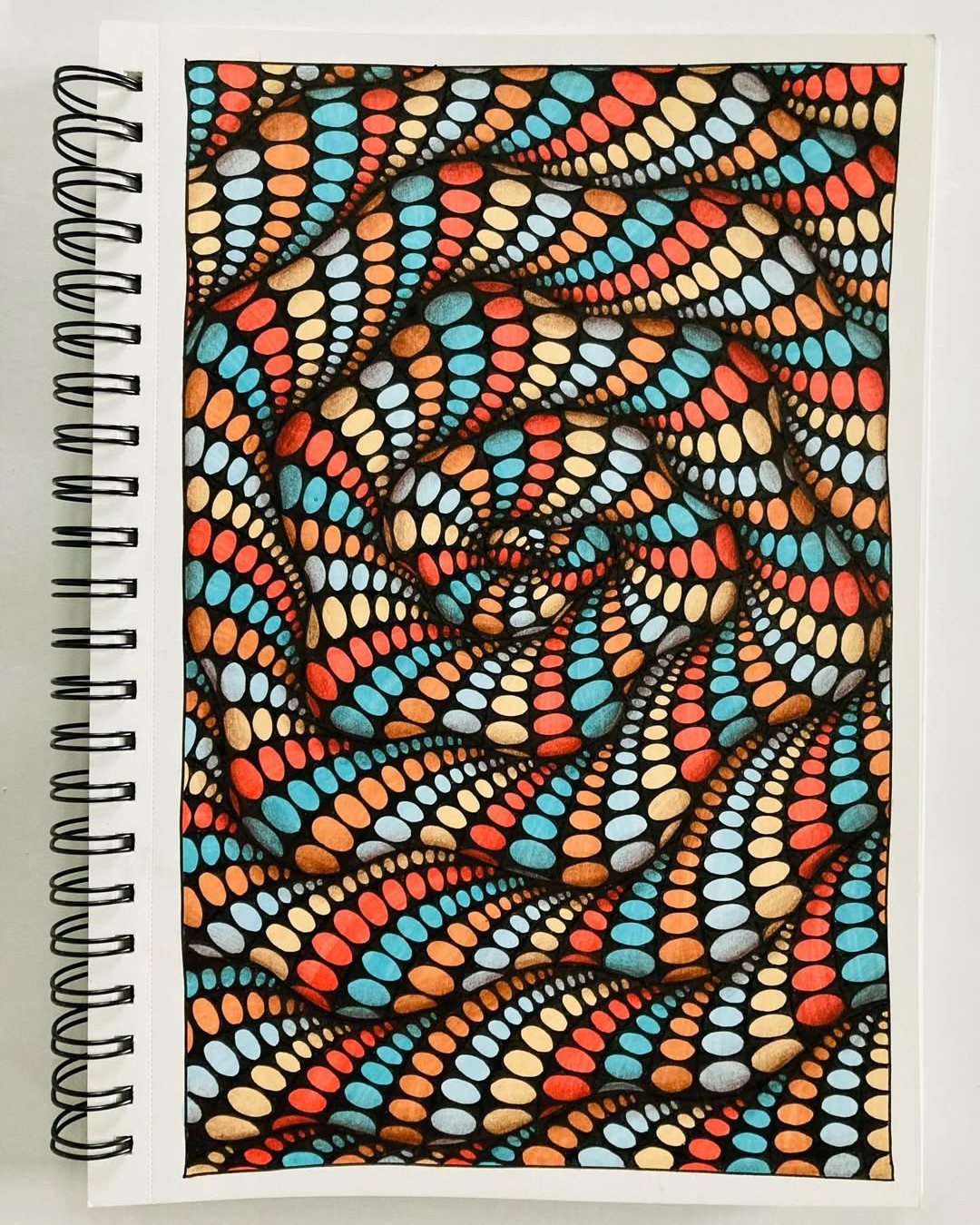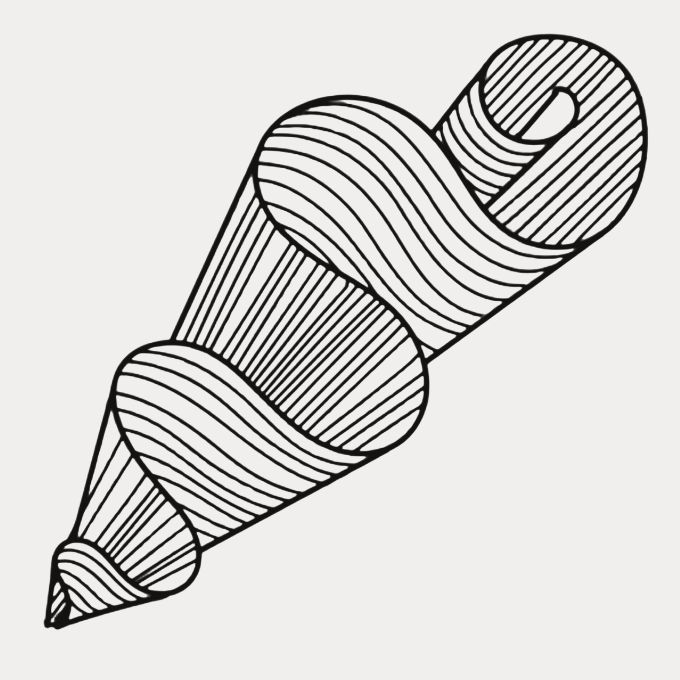
Sometimes a simple line can grow into something that feels almost sculptural.
This drawing technique is all about transforming one flowing gesture into a three-dimensional woven form using nothing more than rhythm, contour lines, and direction. Instead of relying on shading or blending, the illusion of depth comes entirely from the way the lines wrap around the shape.
As the pattern develops, the flat line slowly begins to feel solid — almost like a twisted ribbon, carved shell, or flowing piece of woven fabric.
Take your time with each stage and let the movement guide your hand naturally.
Step-by-Step Drawing Instructions
Step 1
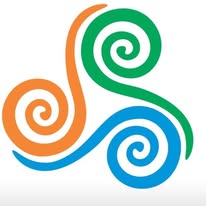
Begin with one long flowing gesture line. Add a spiral curl at the top and a soft, curved bend near the bottom. This line becomes the foundation and movement of the entire pattern.
Step 2
Lightly sketch the center direction line and add small-width marks near the top spiral. These marks help define the thickness of the future form.
Step 3
Build the outer edges of the upper section by connecting the guide points with smooth parallel contours. The shape should begin widening near the spiral.
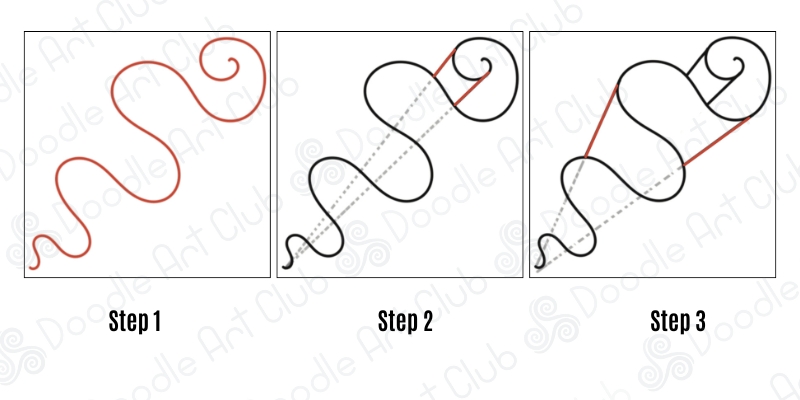
Step 4
Extend the lower section of the form and taper it into a pointed tip. Keep the curves smooth and flowing so the entire structure feels connected.
Step 5
Clean up the outline and refine the full silhouette. At this stage, the pattern should already feel dynamic and directional even without details.
Step 6
Begin adding parallel hatching lines inside selected sections of the form. Keep the lines flowing across the shape rather than along its length.
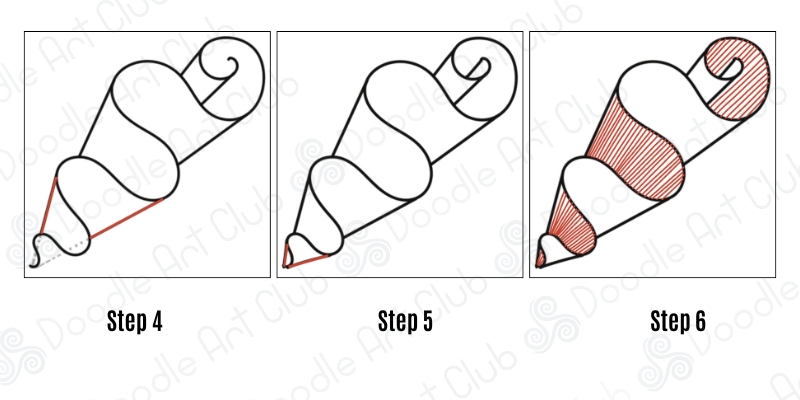
Step 7
Introduce alternating curved contour lines and straighter hatching lines. The curved lines help create the illusion of volume and make the surface appear rounded and woven.
Step 8
Continue filling the entire form with rhythmic linework until the pattern feels fully dimensional. Vary the spacing slightly to create areas that feel lighter or deeper.
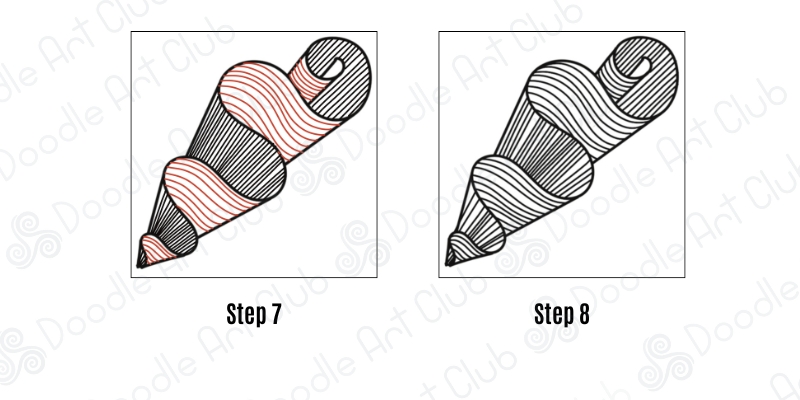
This technique is a wonderful exercise for understanding movement, contour, and three-dimensional form using only ink lines. Once you learn the logic behind it, you can apply the same approach to countless flowing doodle patterns and abstract shapes.