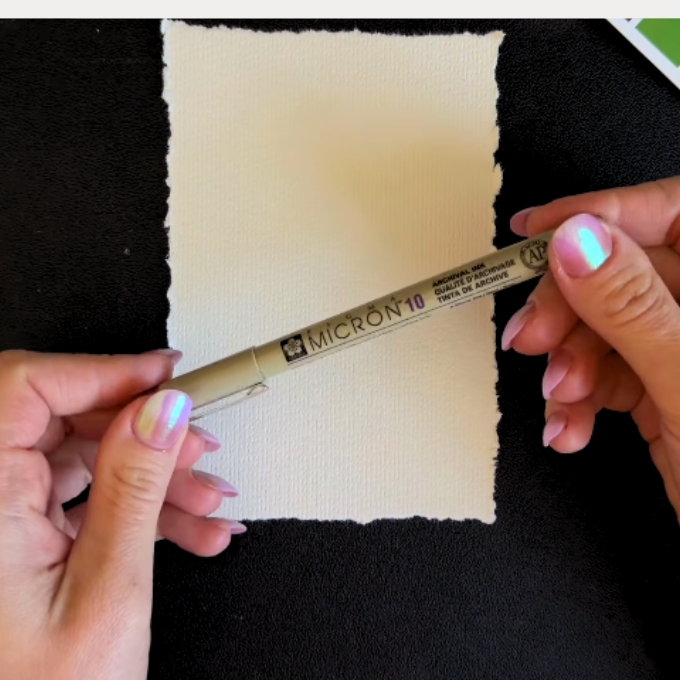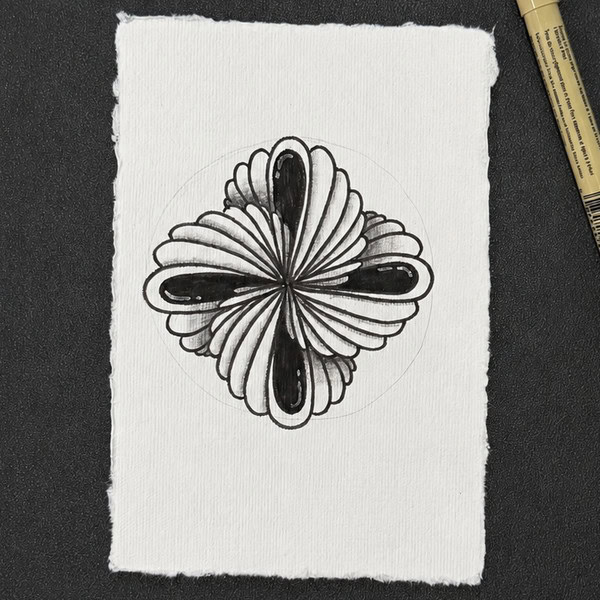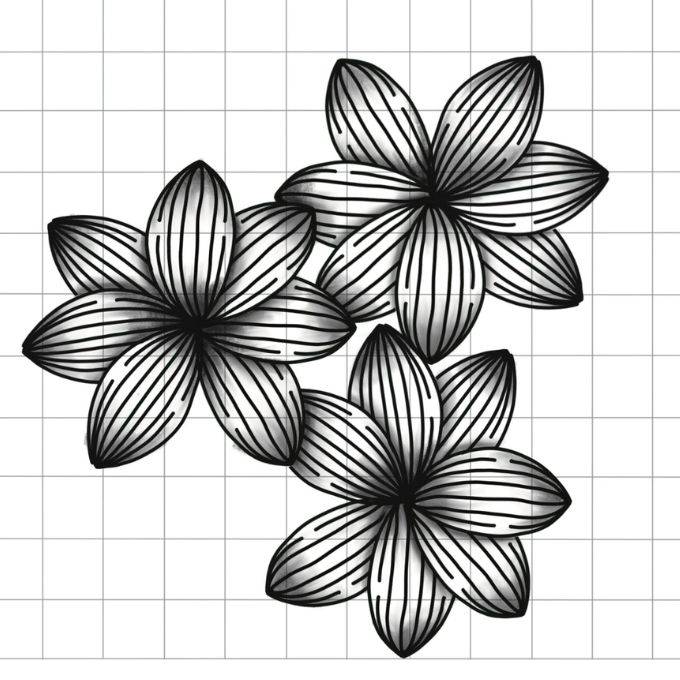
Create organic pod-like forms using the tethered aura technique
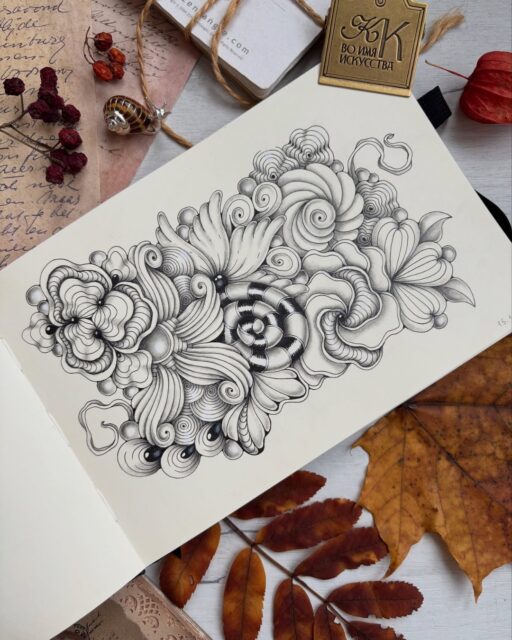
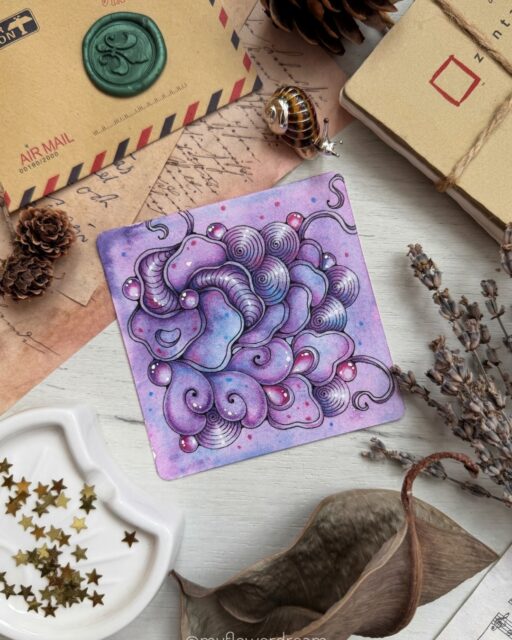
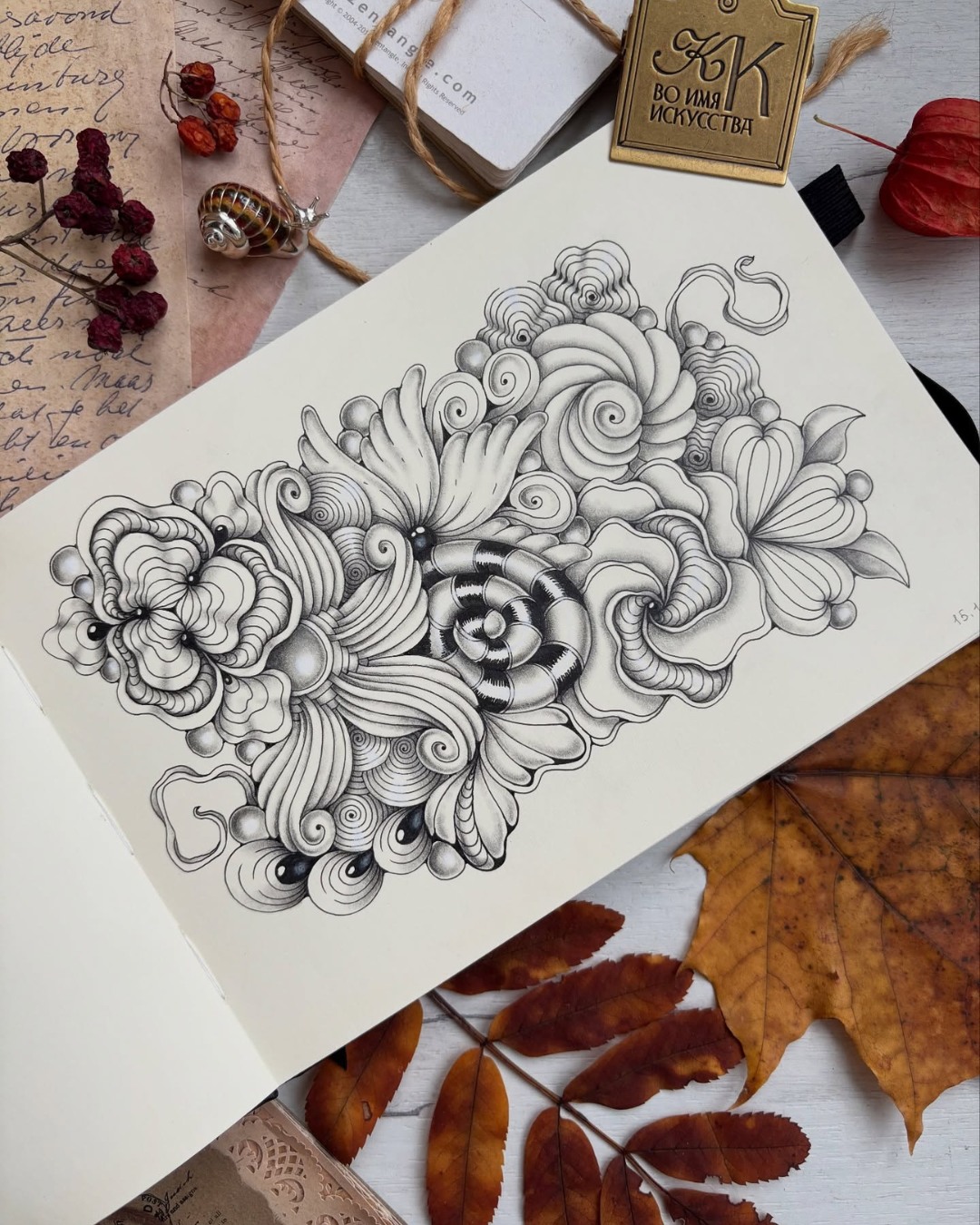
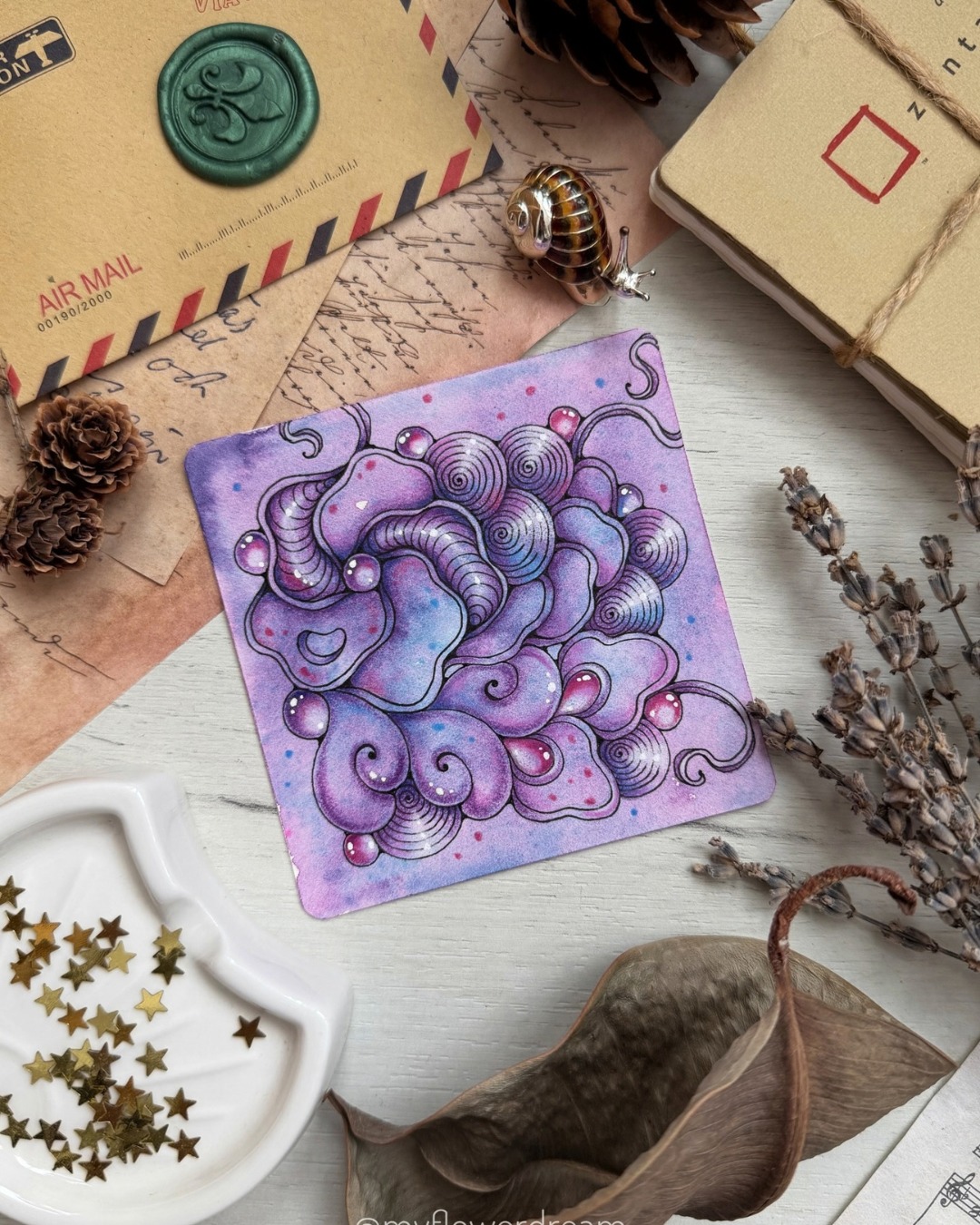
Ravel is a beautiful organic Zentangle-inspired pattern built from simple curved lines and anchored aura strokes.
It looks intricate, but it grows from a very simple structure.
In this tutorial, you’ll learn:
• What tethered auras are
• How Ravel grows naturally
• How to avoid common mistakes
• How to add depth and variation
Let’s build it step-by-step.
What Is a Tethered Aura?
A tethered aura is an aura line that is connected at both ends.
Unlike a regular aura that floats around a shape, a tethered aura is anchored — it starts and ends at the same two points.
This creates a pod-like form.
Ravel is built entirely from these anchored aura strokes.
Step-by-Step: How to Draw the Ravel Pattern
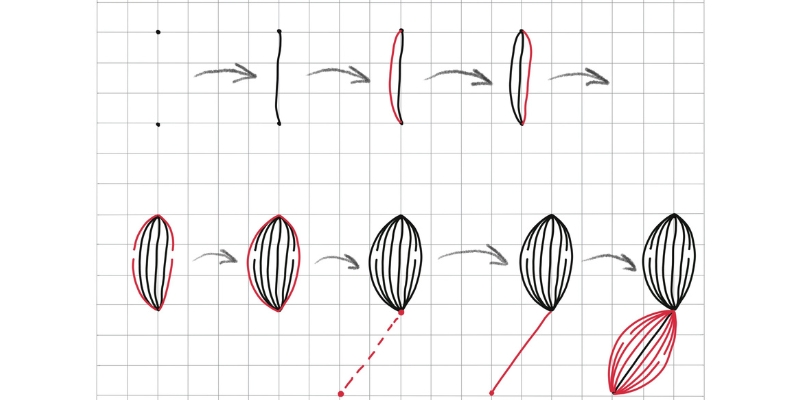
Step 1: Place Two Dots
Draw two small dots on your page. Leave some space between them.
Step 2: Connect with a Slight Curve
Draw a gently curved line connecting the dots.
Avoid making it perfectly straight — a soft curve makes the pattern feel organic.
Step 3: Add Tethered Auras
Starting at one dot, draw a line that closely follows your curved line and reconnects at the second dot.
Repeat this several times.
You’ll start to see a pod shape forming.
Step 4: Grow a New Pod
From the edge of your first pod, place another dot slightly outside it.
Connect it with a curved line and repeat the tethered aura process.
Continue growing outward.
How to Keep Ravel Looking Organic
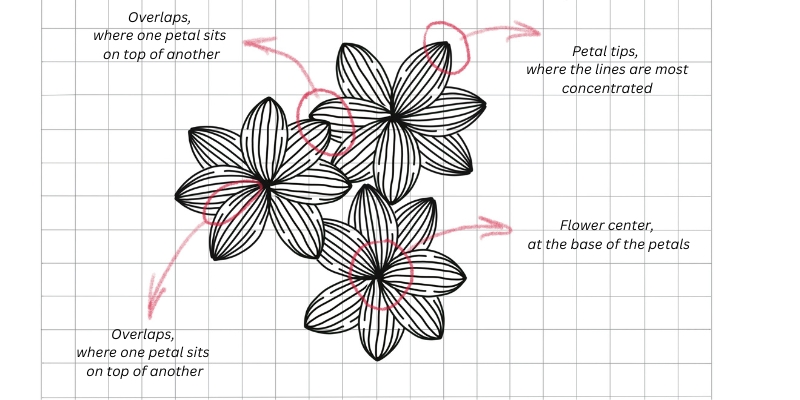
• Avoid perfectly straight lines
• Vary the size of pods
• Let pods overlap slightly
• Rotate your paper as you draw
Ravel should feel natural — not mechanical.
Common Mistakes to Avoid
Drawing stiff straight lines
This removes the organic feeling.
Making all pods identical
Variation creates interest.
Overcrowding the design
Leave breathing space between clusters.
Adding Depth with Shading
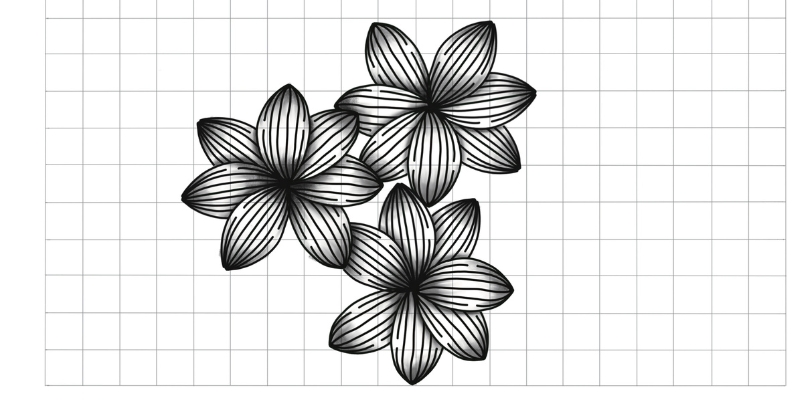
Once your ink work is complete, add graphite shading:
• Darken slightly at the base of each pod
• Add shadow where pods overlap
• Blend gently outward
Shading transforms flat pods into dimensional forms.
Practice Tip
Draw one small cluster of 3–4 pods first.
Then pause.
Observe the spacing and flow before expanding further.
Ravel grows best when built slowly.
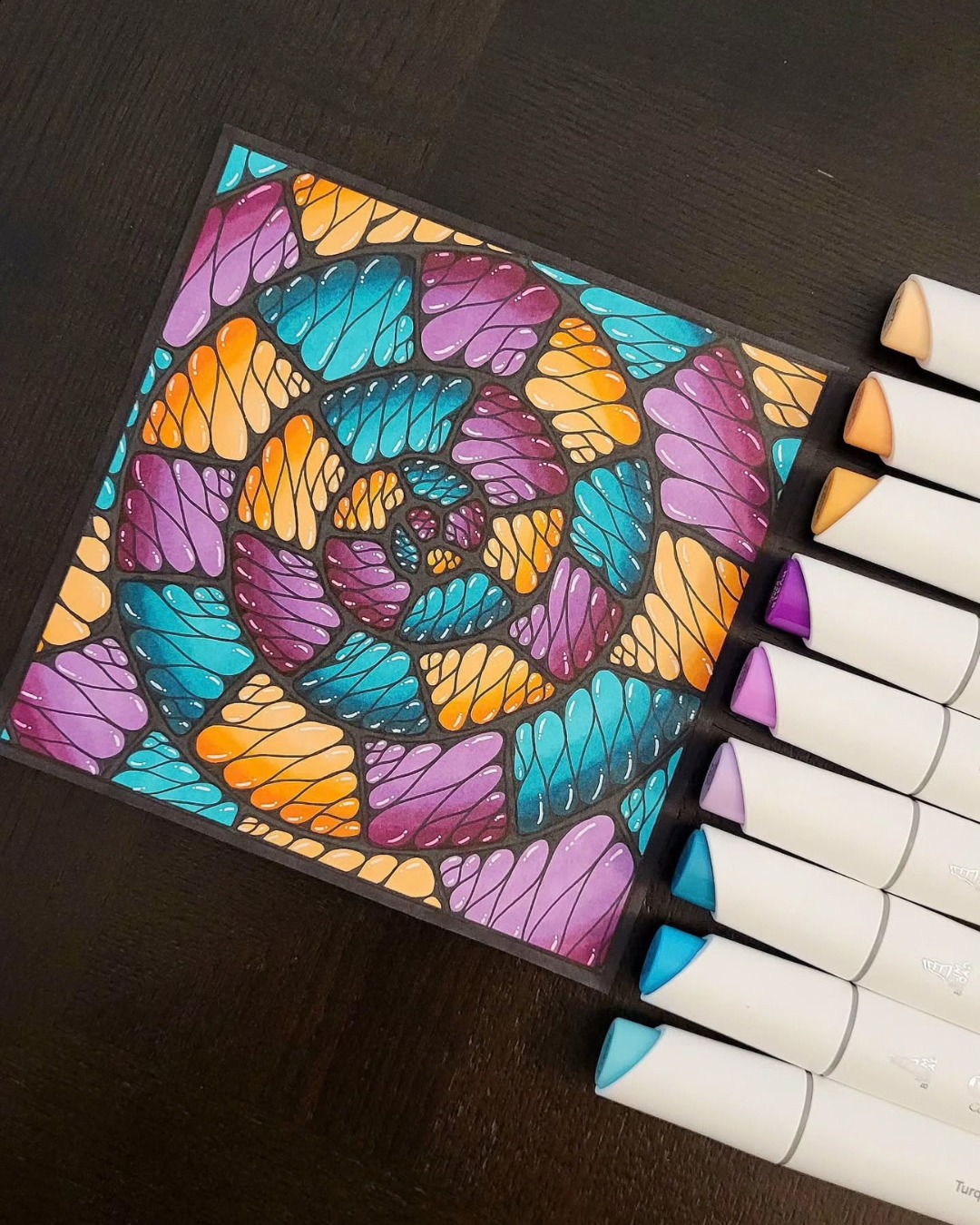
Next, explore Diva Dance — a spiral-based pattern that builds confidence with bold contrast.
Diva Dance post here.